Against the strategic goal of synergistic pollution reduction and carbon mitigation, developing environment-friendly water treatment technologies has become a research hotspot. In particular, Fenton-like catalytic technologies based on environmental functional materials play a vital role in removing emerging pollutants from water. Recently, the research group of Assistant Professor Ji Haodong from the School of Environment and Energy, Peking University Shenzhen Graduate School, in collaboration with multiple institutions, has published a series of research results in the field of water treatment. Two experimental achievements have been featured in Advanced Materials and Nature Communications, respectively.
Achievement 1: Charge-Confined MOF Enables Nearly 100% Persulfate Utilization Efficiency
Generally, persulfate activation relies on electron donation or acceptance processes of catalysts, and the activation occurs regardless of the presence of pollutants. As a result, persulfate often suffers from low utilization efficiency, because the activation process continues even after pollutants are completely degraded. In this study, a novel cobalt-based metal-organic framework (named PKU-24, where PKU stands for Peking University) was synthesized via self-assembly, using 2-hydroxyterephthalic acid and 4,4-bipyridine as mixed organic ligands and cobalt as the central metal. PKU-24 can activate persulfate only when pollutants are present. The core mechanism is that the electron-donating ability of pollutants alters the electron density of cobalt sites, which reopens the electron transfer channel between metal sites and persulfate, and finally selectively generates nonradical singlet oxygen.
This material has been successfully synthesized at the kilogram scale, showing a great potential for practical applications. The work has been published in Advanced Materials in April 2026 under the title “Inert Catalytic Sites Unlocked by Micropollutants for Rapid Water Decontamination with Near-Complete Chemical Utilization” (DOI: 10.1002/adma.73103). The Laboratory of Eco-Environment and Resource Efficiency at Peking University Shenzhen Graduate School is the first corresponding affiliation. Assistant Professor Haodong Ji from Peking University Shenzhen Graduate School and Professor Xiaoguang Duan from the University of Adelaide are the co-corresponding authors. Dr. Yu-Hang Li, a PhD candidate from Peking University, is the first author. This work is supported by the National Natural Science Foundation of China, the Shenzhen Science and Technology Program and so on.
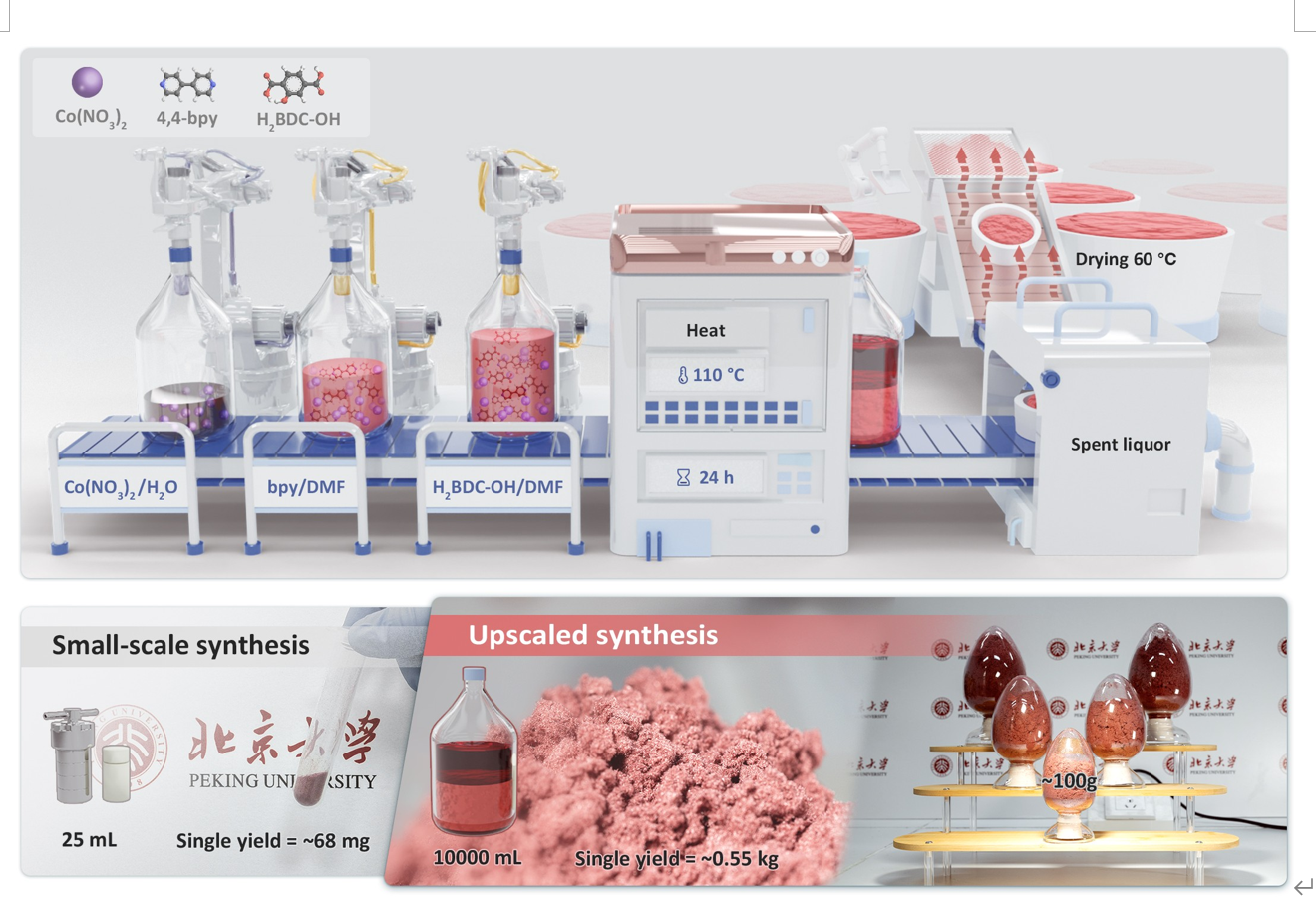 Figure 1. Kilogram-scale synthesis of PKU-24
Achievement 2: Homointerpenetrated MOF Activates Persulfate via Dynamic Stretching
In Fenton-like systems, the electron transfer rate between catalytic sites and peroxides determines the catalytic degradation rate. However, besides electronic interactions, the dynamic changes of catalytic sites also affect peroxide activation. In this study, the authors synthesized a novel iron-based metal-organic framework with a homointerpenetrated structure (named BUC-95, where BUC stands for Beijing University of Civil Engineering and Architecture). The dynamic stretching effect of BUC-95 enhances persulfate activation, which selectively converts -OH adsorbed on iron sites into high-valent iron (FeIV=O) species, achieving enhanced degradation of various emerging contaminants.
This work has been published in Nature Communications in January 2026 under the title “Dynamic Stretching Beyond Electron Transfer in a Homointerpenetrated Metal-Organic Framework for Enhanced Fenton-like Reactions” (Original link: https://www.nature.com/articles/s41467-026-68917-z). Professor Chong-Chen Wang from Beijing University of Civil Engineering and Architecture, Assistant Professor Haodong Ji from Peking University Shenzhen Graduate School, and Researcher Wen Liu from Peking University are the co-corresponding authors. Fei Wang, a PhD candidate from Beijing University of Civil Engineering and Architecture, Yu-Hang Li, a PhD candidate from Peking University, and Fu-Xue Wang, a postdoctoral researcher from Hainan University, are the co-first authors. This work is supported by the National Natural Science Foundation of China, the Shenzhen Science and Technology Program and so on.
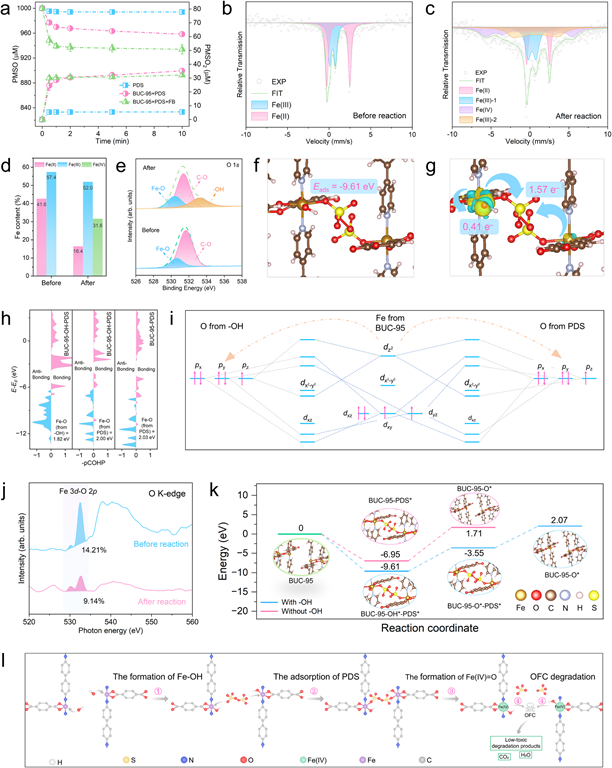
Figure 2. Effect of dynamic stretching on the generation of high-valent iron
The two studies provide new perspectives from the two dimensions of “precise and efficient utilization of oxidants” and “dynamic catalytic mechanism”, respectively. PKU-24 achieves nearly 100% persulfate utilization via the charge confinement effect, greatly reducing reagent consumption and carbon emissions. BUC-95 enhances the generation efficiency of active species via dynamic stretching, offering potential research directions and theoretical support for the upgrading of green and low-carbon water treatment technologies and the synergy of pollution reduction and carbon mitigation.